Wenger Says FIFA Will Review World Cup Hydration Breaks After Mixed Reactions
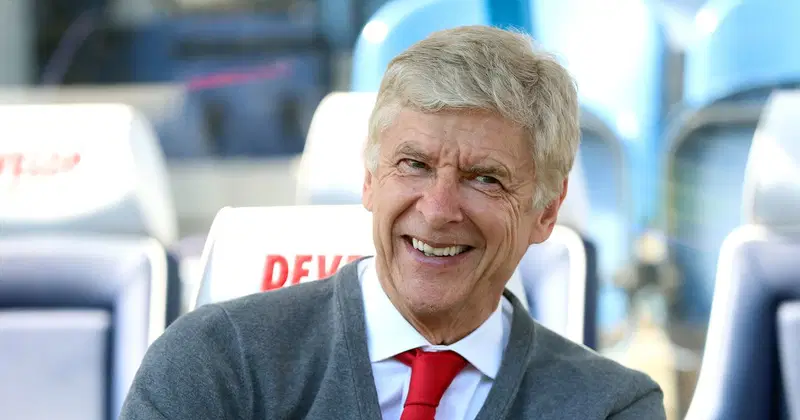
FIFA’s Head of Global Football Development, Arsene Wenger, has acknowledged that the hydration breaks introduced during the 2026 FIFA World Cup received mixed reactions and confirmed the governing body will evaluate the policy after the tournament.
Speaking ahead of Sunday’s World Cup final between Spain and Argentina, Wenger admitted that not everyone welcomed the mandatory stoppages.
“Sometimes people didn’t like it, and we have to analyse after the World Cup what the impact was,” Wenger said.
For the tournament, FIFA implemented mandatory three-minute hydration breaks midway through each half of every match. The rule applied regardless of weather conditions, including games played in cooler temperatures or inside stadiums with closed roofs.
According to FIFA, the measure was introduced to prioritize player welfare and help athletes cope with the physical demands of the competition. However, some critics argued the breaks also created additional opportunities for commercial advertising.
Wenger said the extra stoppages did not appear to influence match results but stressed that FIFA would carefully assess feedback from players, coaches, and supporters before deciding whether to retain the policy.
“It didn’t look to me that it changed the results, but we are here to serve people that watch football, and we will come to conclusions afterwards,” he explained.
He also noted that while the rule was unpopular in some matches played under cooler conditions, FIFA chose to apply it consistently across the entire tournament.
Spain head coach Luis de la Fuente previously defended the decision, saying the breaks helped players recover during games played in demanding temperatures and allowed them to maintain a high level of performance.
Wenger also praised FIFA’s decision to expand the World Cup from 32 to 48 teams, describing the new format as a major success despite initial criticism.
He argued that increasing the number of participating nations created more opportunities for countries to compete on football’s biggest stage and believes the expanded tournament has justified FIFA’s decision.